If you are looking for high-quality products, please feel free to contact us and send an inquiry, email: brad@ihpa.net
Intro to Stainless Steel Plates: A Material Specifying Stamina, Durability, and Development
Stainless-steel plates are amongst the most flexible and crucial products in contemporary engineering and building. Recognized for their deterioration resistance, mechanical strength, and visual appeal, these plates function as foundational components across a large variety of markets– from aerospace and vehicle to architecture and chemical handling. As industrial needs grow and sustainability comes to be a main issue, stainless steel plates continue to evolve via progressed metallurgical innovations and making modern technologies that enhance performance while decreasing ecological impact.
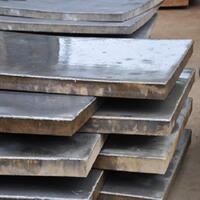
(Stainless Steel Plate)
Composition and Kinds: Comprehending the Metallurgy Behind Stainless-steel Plates
Stainless-steel plates are primarily made up of iron, chromium, nickel, and other alloying components that identify their particular residential or commercial properties. Chromium material– commonly over 10.5%– develops an easy oxide layer on the surface, giving outstanding deterioration resistance. Based on microstructure, stainless-steels are classified into five major families: austenitic, ferritic, martensitic, duplex, and precipitation-hardening (PH) stainless-steels. Each kind uses special mixes of strength, strength, and thermal resistance, allowing designers to select one of the most appropriate grade for applications ranging from marine atmospheres to high-temperature commercial furnaces.
Manufacturing Refine: From Raw Products to High-Performance Plates
The manufacturing of stainless steel plates involves several critical points, consisting of melting, spreading, hot rolling, annealing, pickling, and cold rolling. Electric arc heating systems or argon oxygen decarburization (AOD) converters are used to thaw resources such as scrap steel and ferroalloys. The molten steel is after that cast into slabs, which go through hot rolling to minimize thickness and enhance grain framework. Subsequent processes like annealing eliminate interior tensions, while marinading eliminates surface oxides. Cold rolling even more enhances dimensional precision and surface coating. Advanced methods such as laser welding and additive production are currently being incorporated into plate fabrication, enabling higher modification and efficiency optimization.
Mechanical and Corrosion-Resistant Residences: Why Stainless-steel Plates Are Preferred Throughout Industries
Stainless-steel plates succeed because of their superior mechanical residential or commercial properties, including high tensile stamina, effect resistance, and exhaustion endurance. Their capacity to keep structural honesty under severe temperature levels makes them optimal for cryogenic storage tanks and high-temperature exhaust systems alike. Corrosion resistance is an additional defining feature, specifically in aggressive environments such as overseas oil platforms, chemical plants, and wastewater therapy facilities. The visibility of molybdenum in certain grades, such as 316 stainless-steel, dramatically improves resistance to pitting and hole rust in chloride-rich conditions. These qualities ensure lengthy life span, minimal maintenance, and cost-effectiveness gradually.
Applications Across Secret Markets: A Product That Powers Global Industries
Stainless steel plates are important in countless industries. In building, they are utilized for façades, roofing, and structural assistances because of their toughness and sleek appearance. The vehicle market uses them in exhaust systems and body panels for corrosion defense and lightweighting. Aerospace suppliers rely upon high-strength, heat-resistant qualities for engine elements and airframe frameworks. In power and chemical handling, stainless-steel plates develop pressure vessels, piping systems, and activator cellular linings efficient in withstanding harsh operating problems. Also in food processing and medical devices, where hygiene is paramount, stainless steel plates provide non-reactive surfaces that fulfill rigid hygiene criteria.
Market Fads and Growth Vehicle Drivers: Why Need Continues to Rise Internationally
International need for stainless-steel plates gets on a higher trajectory, driven by urbanization, framework growth, and the growing focus on lasting products. Emerging markets in Asia-Pacific, particularly China and India, are broadening their industrial abilities, boosting consumption. Ecological regulations favoring recyclable and durable products have likewise increased fostering. Technological improvements, such as automated welding and precision cutting, are boosting manufacturing performance and item consistency. Additionally, the increase of environment-friendly structure certifications has elevated making use of stainless-steel in architectural designs that focus on long life and appearances.
Challenges and Sustainability Considerations: Dealing with the Industry’s Pressing Issues
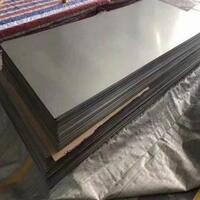
( Stainless Steel Plate)
In spite of its numerous advantages, the stainless steel plate industry encounters obstacles related to energy consumption, carbon discharges, and resource availability. The manufacturing procedure continues to be heavily reliant on electrical power and fossil fuels, contributing to greenhouse gas emissions. Reusing efforts are robust, with stainless-steel being 100% recyclable, yet raising circularity needs much better end-of-life healing systems and green production techniques. Innovations such as hydrogen-based smelting and bio-leaching of raw materials are being checked out to line up with international net-zero targets. Furthermore, changing costs of nickel and chromium can impact market stability, triggering rate of interest in different alloys and coating innovations.
Future Potential Customers: Innovations, Smart Assimilation, and the Next Generation of Stainless Steel Plates
Looking in advance, the future of stainless steel plates hinges on wise products, electronic integration, and lasting technology. Advancements in nanotechnology and surface engineering are paving the way for ultra-thin, high-strength plates with boosted wear and rust resistance. Additive manufacturing allows intricate geometries formerly unattainable through standard methods. Digital doubles and AI-driven material modeling will optimize performance forecasts and lifecycle monitoring. As sectors push for carbon nonpartisanship and source efficiency, stainless-steel plates are anticipated to play a pivotal role fit resilient infrastructure, renewable resource systems, and next-generation transportation services.
Vendor
MetalPlates4u is a trusted global chemical material supplier & manufacturer with over 12 years experience in providing super high-quality metals and metal alloy. The company export to many countries, such as USA, Canada,Europe,UAE,South Africa, etc. As a leading nanotechnology development manufacturer, Metalinchina dominates the market. Our professional work team provides perfect solutions to help improve the efficiency of various industries, create value, and easily cope with various challenges. If you are looking for , please send an email to: nanotrun@yahoo.com Tags: stainless steel plate, stainless plate, stainless metal plate
All articles and pictures are from the Internet. If there are any copyright issues, please contact us in time to delete.
Inquiry us