
 admin
adminResearchers at a leading materials science lab have developed a new method for melting high-purity lithium using boron nitride ceramic crucibles. This advance supports the growing field of solid-state battery research, where lithium purity is critical. Traditional metal or oxide-based containers often react with molten lithium, introducing impurities that harm battery performance. Boron nitride, however, remains chemically inert even at high temperatures, making it ideal for handling reactive metals like lithium.
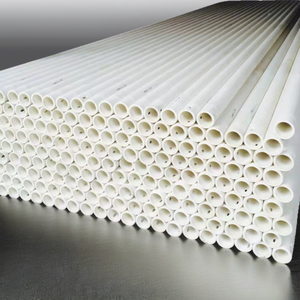
(Boron Nitride Ceramic Crucibles for Melting High Purity Lithium for Solid State Battery Research)
The team chose boron nitride because it does not mix with lithium during melting. It also withstands thermal shock and maintains structural stability above 800°C. These properties help keep lithium uncontaminated throughout the process. Scientists confirmed the lithium’s purity through spectroscopic analysis, showing fewer than ten parts per million of unwanted elements.
Solid-state batteries promise higher energy density and improved safety over conventional lithium-ion cells. But they require ultra-pure lithium to function reliably. Any trace contamination can cause internal shorts or reduce cycle life. Using boron nitride crucibles solves a key bottleneck in producing clean lithium anodes for testing and development.
Lab tests showed consistent results across multiple melting cycles. The crucibles did not degrade or shed particles into the melt. This durability reduces waste and lowers costs for research teams. It also simplifies the setup for small-scale lithium processing, which is common in academic and industrial labs.

(Boron Nitride Ceramic Crucibles for Melting High Purity Lithium for Solid State Battery Research)
The adoption of boron nitride ceramic crucibles could speed up innovation in next-generation batteries. Researchers now have a dependable way to prepare lithium without complex purification steps. This tool may become standard in labs focused on advancing solid-state technology.
