
 admin
adminA new development in metal powder production is gaining attention from manufacturers worldwide. Boron nitride ceramic rings are now being used as nozzle inserts in close-coupled gas atomization systems. These rings offer high performance and reliability where traditional materials fall short.
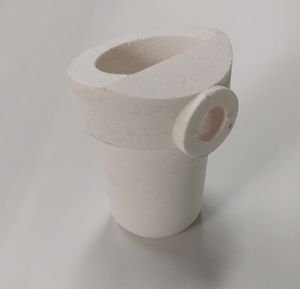
(Boron Nitride Ceramic Rings for Nozzle Inserts for Close Coupled Gas Atomization of Metal Powders)
Close-coupled gas atomization is a key method for making fine, spherical metal powders. These powders are essential for additive manufacturing, aerospace parts, and medical implants. The process requires components that can handle extreme heat and resist chemical wear. Boron nitride meets these demands better than many alternatives.
The ceramic rings stay stable at very high temperatures. They do not react easily with molten metals. This means less contamination in the final powder product. It also leads to longer service life for the nozzles. Fewer replacements mean lower costs and less downtime for producers.
Boron nitride has low thermal expansion. This helps maintain precise dimensions during operation. Consistent geometry in the nozzle ensures uniform powder size and shape. That consistency is critical for high-quality end products.
Manufacturers report smoother operations since switching to boron nitride inserts. The material’s natural lubricity reduces clogging and eases cleaning between runs. Operators spend less time on maintenance and more time on production.
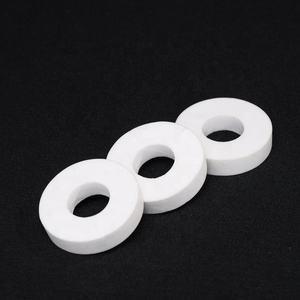
(Boron Nitride Ceramic Rings for Nozzle Inserts for Close Coupled Gas Atomization of Metal Powders)
Demand for advanced metal powders continues to grow. So does the need for reliable, high-performance components in atomization systems. Boron nitride ceramic rings are proving to be a smart choice for companies aiming to improve efficiency and output quality. Their adoption marks a practical step forward in powder metallurgy technology.
